Yacht Charter Security Deposit - what it is and how it works
What a refundable security deposit on a boat charter is, how it's paid and returned, what it covers, whether deposit insurance pays off, and how to keep it.
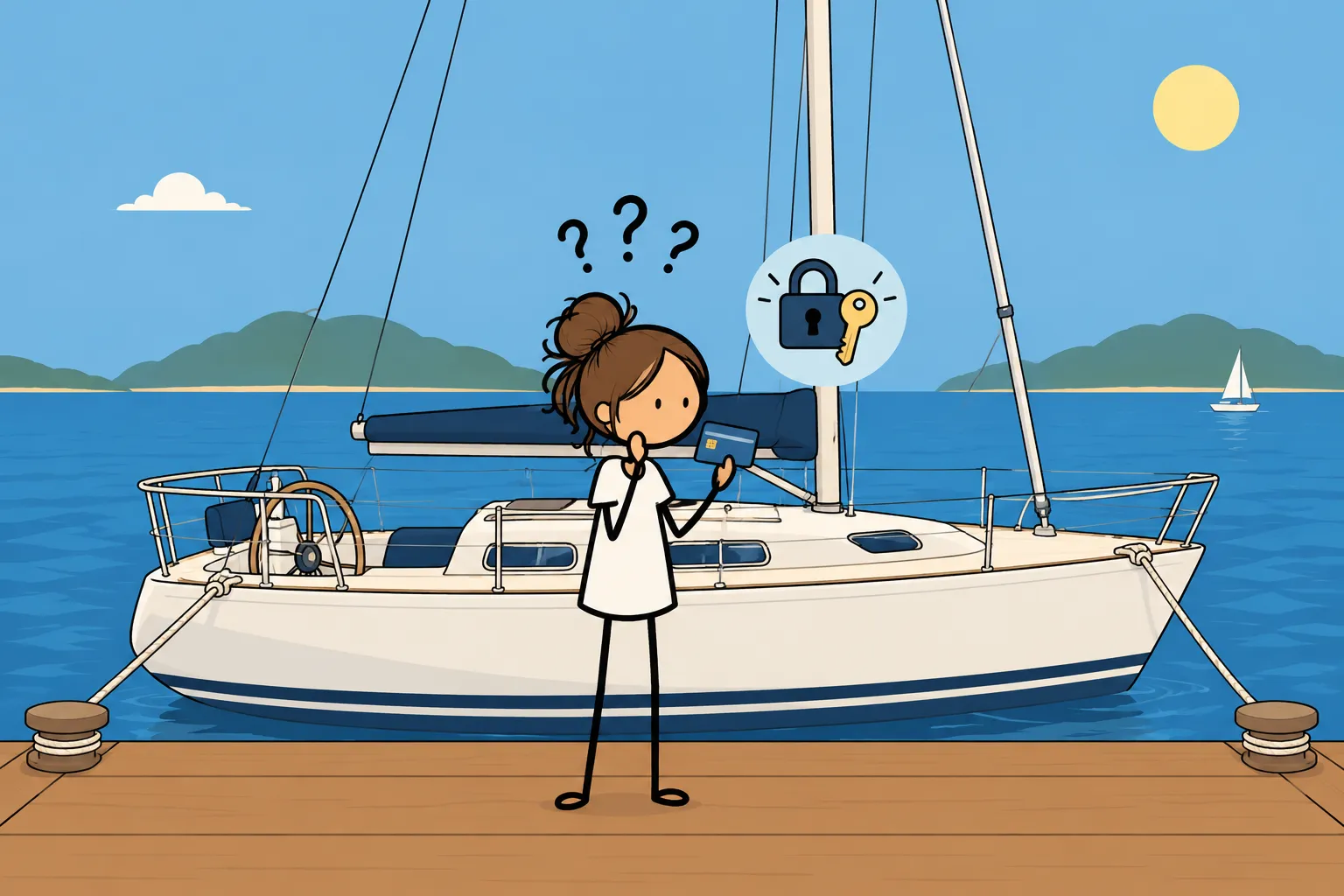
When you first pick a boat for a week at sea, next to the charter price you'll see a line that confuses almost everyone: the refundable security deposit. Is it part of the price? When is it paid? And what if something breaks?
The short answer: a security deposit is an amount you leave with the charter company when you take over the boat, as a guarantee you'll return it in the same condition. If you bring it back undamaged, you get the deposit back. It isn't part of the cost of sailing and it isn't a fee, just money that's temporarily tied up during the week. Rules differ between companies, so what follows describes how things usually work in the charter industry.
What is a security deposit and why is it taken?
The boat you charter is insured, but the insurance usually only covers damage above a certain amount. The deposit covers the part below it. So the deposit is effectively your share of any damage: for accidental damage you usually don't pay more than that.
The deposit isn't part of the boat price or the yacht package (bed linen, towels and final cleaning). It's a separate item that, if all goes well, comes back in full.
How does the deposit work, from check-in to check-out?
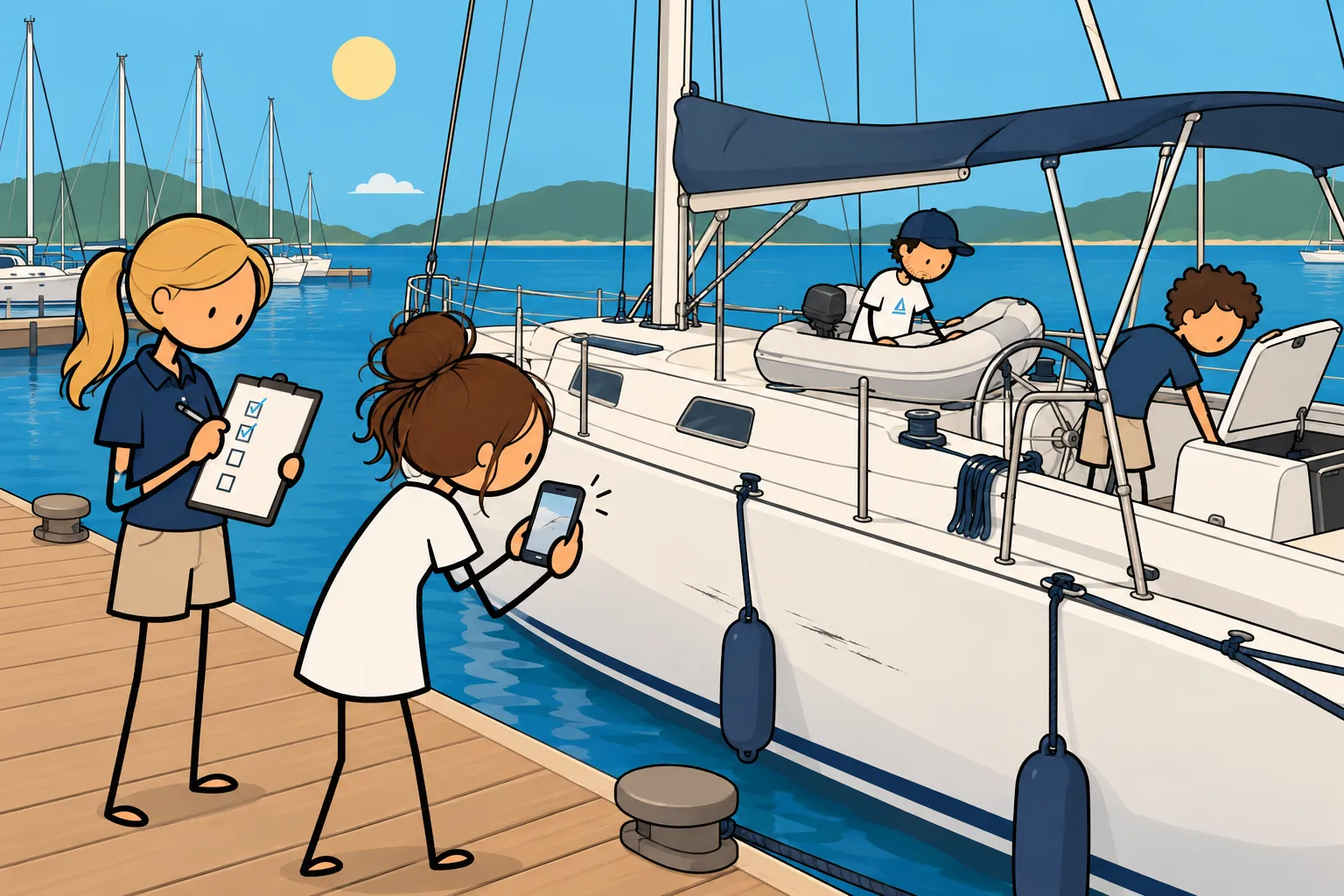
At check-in: the deposit is left at the base
The deposit is usually left when you take over the boat, at the charter company's base. The common ways are a hold on your card (no money leaves your account, the amount is just locked on the card limit until you return the boat), a card charge refunded after check-out, and, in Greece and Croatia, cash at some companies.
At check-in you walk through the boat and the equipment list with the base representative. Anything already damaged or missing should be written down, because at the end the boat is compared with exactly that record.
During the charter: report damage right away
If something breaks, tell the base straight away, not at check-out. That way a repair can be arranged, and there's a record of what happened and when.
At check-out: the inspection
The base representative goes through the boat against the check-in record, and many companies have a diver inspect the underwater part: hull, keel, rudder and propeller. That shows whether the boat has hit something or run aground.
Getting the deposit back
If the check-out record is signed and all is well, the deposit is returned. Cash is returned when you hand the boat back. A card hold is released, but it can take a while: at many companies ten to fifteen days, and under some terms up to a month. Some costs only appear later, such as underwater damage noticed when the boat is hauled out, or an unpaid marina bill. Your bank may also need a few more days before you see the released amount.
What does the deposit cover, and what doesn't it?
The deposit covers damage to the boat and equipment during the charter, up to the deposit amount. In practice it's usually smaller things:
- scrapes and bumps on the hull while mooring
- a torn sail, or a damaged dinghy and outboard
- lost equipment, such as a handheld radio that falls overboard
- a rope or fishing net wrapped around the propeller
- damage from a light grounding
- a blocked toilet, which charter companies usually bill to the crew, which is why toilet paper goes in the bin next to the bowl
If the damage is less than the deposit, only the repair cost is kept and the rest comes back. The amount kept should be justified and documented.
What the deposit doesn't cover:
- Damage above the deposit. For accidental damage, the boat's insurance usually covers the amount above it.
- Damage from negligence. If damage comes from negligence or recklessness, such as sailing under the influence or entering a restricted zone, contracts often make you liable for the whole damage, regardless of the deposit.
How much is a security deposit?
There's no single amount. It depends on the boat's type, length and value, the charter company and the base, and ranges from a few hundred to a few thousand euros. A bigger, pricier boat usually means a bigger deposit. Usually, and it varies by boat:
- A deposit alone: about €2,000 to €4,000.
- With a damage waiver: about €500 for the waiver plus a reduced deposit of about €1,000.
- A waiver only: about €400 to €800.
So look at the deposit early, not when you arrive at the marina. When you choose a boat, for example from a yacht catalogue, ask about the deposit and not just the charter price: two similar boats at a similar price can have very different deposits.
What is deposit insurance and is it worth it?
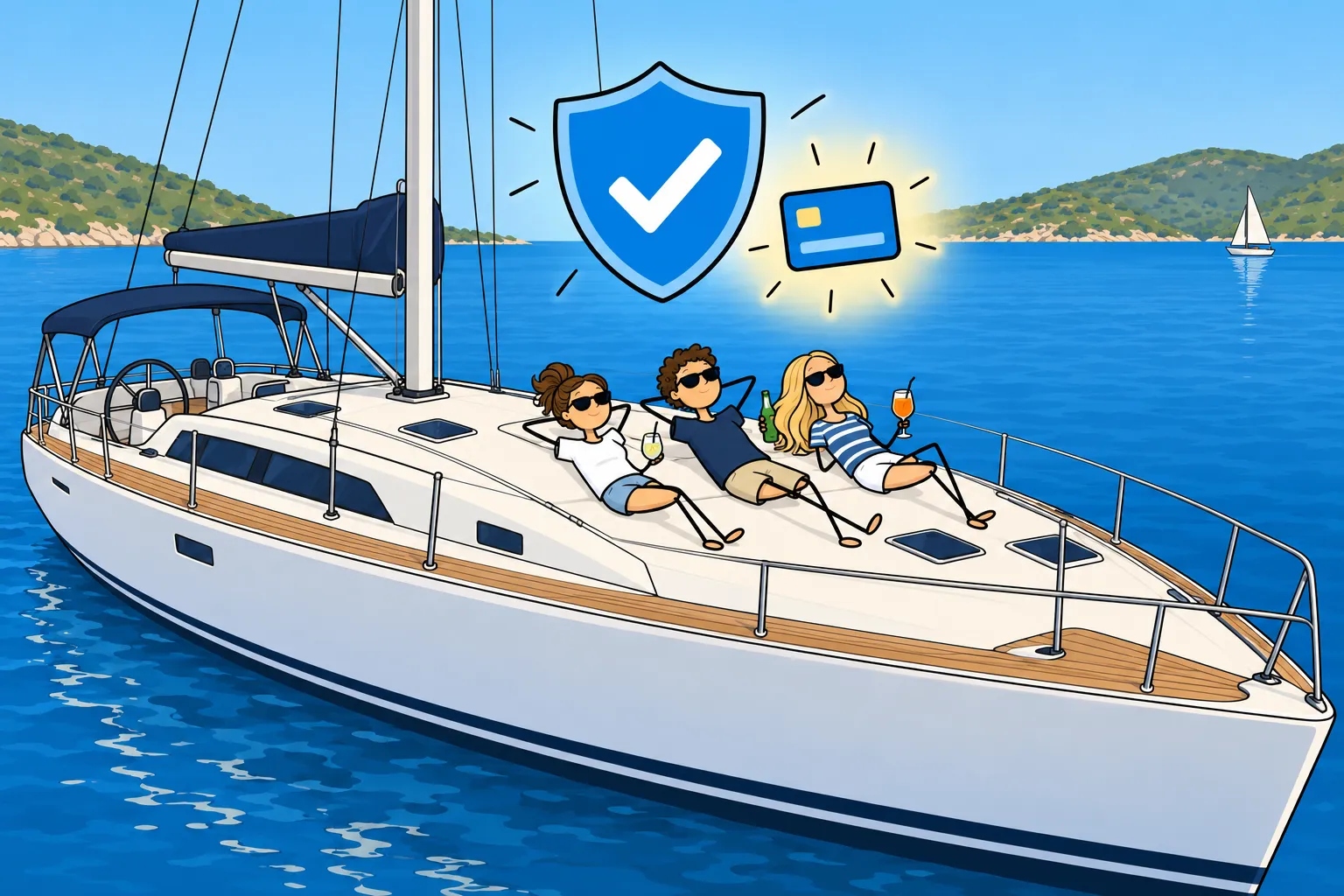
Deposit insurance reduces the amount you risk. There are two kinds, and they're easy to mix up.
The charter company's waiver
Some companies offer, and some require, a non-refundable fee instead of the full deposit, called a damage waiver. It isn't returned even when there's no damage, but the deposit you leave and your share of any damage are much smaller. A smaller deposit is usually still left with a waiver, for example for fuel or late return of the boat.
Deposit insurance from an insurer
The other option is to insure the deposit with an independent insurer. You still leave the full deposit at the base, and if the company keeps part or all of it, the insurance reimburses you. Some policies leave a smaller excess you pay yourself.
Read the exclusions before paying, because cover varies. Some policies cover the dinghy and outboard, others don't. Theft and loss of equipment, a blocked toilet and damage from negligence are often excluded.
Is it worth it? It depends on the size of the deposit and how much peace of mind it buys you. The bigger the deposit, the more sense insurance makes.
Is a deposit still left when there's a skipper on board?
Most often, yes. The charter contract is signed by the guest who charters the boat, so that guest leaves the deposit, not the skipper.
A skipper is an experienced, licensed professional, so damage is less likely. Still, many incidents are nobody's fault: a fishing net wrapping around the propeller, or an unmarked rock below the surface. If a skipper is proven to have caused damage, compensation can be sought from their professional insurance, but the fault has to be proven. That's why some companies require a waiver for skippered boats. On fully crewed yachts, where the crew works for the owner, a deposit is often not taken at all.
How do you get your whole deposit back?

- 1. Photograph the boat at check-in. The hull on both sides, sails, dinghy and engine, deck and interior. A phone video takes ten minutes and settles any doubt later.
- 2. Go through the record before signing. Make sure everything already damaged or missing is written down.
- 3. Check your card before the trip. Ask how the deposit is taken and whether your card limit allows it. Agree within the group whose card is used and how you'd split any cost.
- 4. Report damage right away. Don't wait for check-out.
- 5. Respect the skipper's weather decisions. Sailing in weather the company doesn't allow is a common exclusion in deposit insurance too.
- 6. Be there at check-out. Note every defect, even small ones. If part of the deposit is kept, ask for an itemised breakdown, check you agree with the assessment and keep your photos.
Frequently asked questions
1Is the security deposit part of the charter price?
2Can the deposit be paid in cash?
3How long does it take to get the deposit back?
4What if the damage is more than the deposit?
5Is deposit insurance compulsory?
6Can you charter a boat without a security deposit?
Your week
Have a question about the deposit on a specific boat?
Tell us which boat caught your eye, or when and where you'd like to sail, and ask us about the deposit too.